


The Council of Europe’s parliamentary assembly has backed a continent‑wide push to ban so‑called LGBTIQ+ “conversion practices”, labelling them harmful, deceptive and incompatible with human rights. The resolution is not legally binding, but it sends a strong political signal to 46 member states and offers a blueprint for national bans.
What you’ll learn in this article
- What the Council of Europe has called for, and why it matters.
- What “conversion practices” are, and who they target
- The key evidence on harm and why bans are gathering momentum.euronews
In late January, the assembly adopted Resolution 2643 (2026), urging governments to outlaw practices that seek to change, repress or suppress sexual orientation, gender identity or gender expression. It calls for clear legal definitions, criminal and civil penalties, easy complaint pathways and survivor‑centred support services, alongside public education to tackle myths about LGBTIQ+ people.
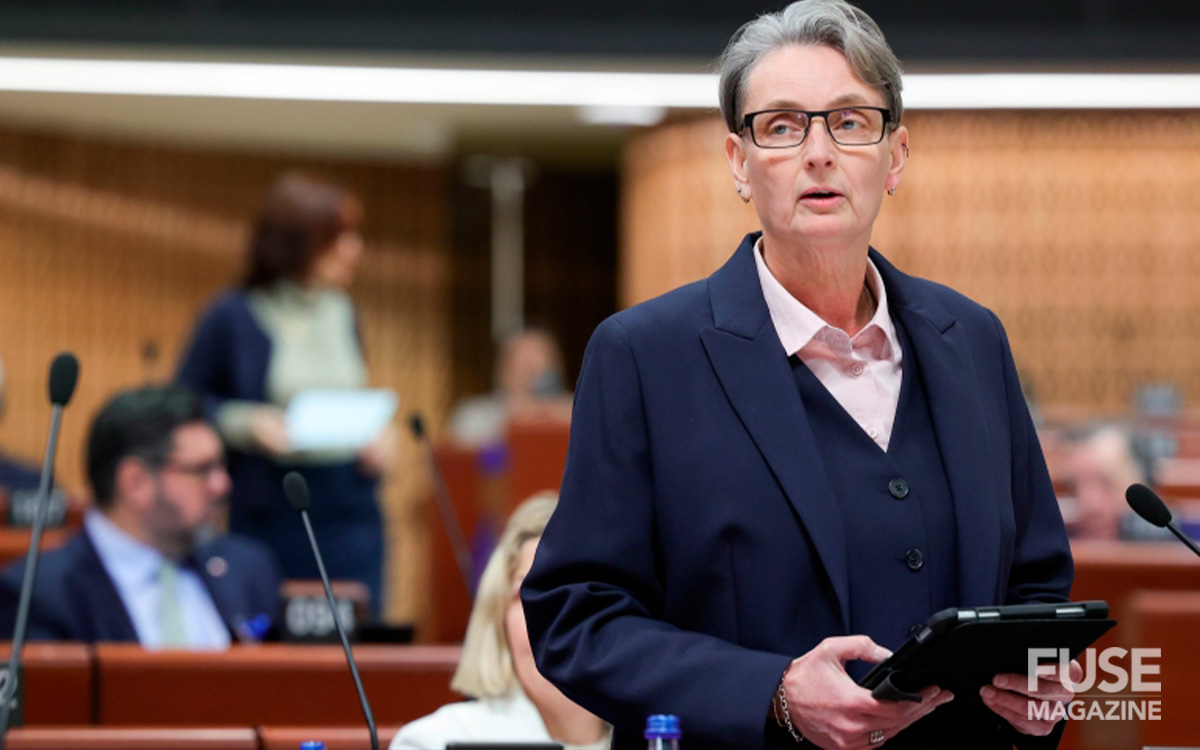
Kate Osborne, who represents Jarrow and Gateshead East in the UK, speaking in favour of banning conversion practices.
“Conversion practices” are described as any efforts — whether dressed up as therapy, pastoral care or “healing” — that aim to make a queer or trans person straight or cis. They can include talk‑based “treatment”, pressure‑filled religious interventions, aversion techniques, coerced “gender realignment” programs and other abuse, often targeting young people with little real choice. The resolution stresses that it does not seek to ban supportive, exploratory conversations that respect a person’s autonomy.
Research for the European Parliament and human rights experts is clear: conversion practices do not work and carry serious risks. Survivors report depression, anxiety, shame, PTSD, self‑harm and higher rates of suicide attempts compared with LGBTIQ people who have not been subjected to such interventions. The UN Independent Expert on sexual orientation and gender identity has said these practices can amount to torture or cruel, inhuman or degrading treatment.ohchr+5
Across Europe, at least eight EU countries — including Malta, Germany, France and Spain — have already adopted national bans, with more reforms on the table. The European Parliament has repeatedly backed action, and a European Citizens’ Initiative is pressing for an EU‑wide prohibition and stronger victim protections.
The Council of Europe debate drew opposition from some members, especially over protections for trans and gender‑diverse people, who argued that bans might intrude on religious life or clinical practice. Supporters pointed to safeguards in the text and underlined that the target is coercive, degrading interventions grounded in the belief that LGBTIQ people are “broken” — a view rejected by major medical and human rights bodies.
For queer communities in Europe and beyond, the message coming out of Strasbourg is stark but hopeful: nobody should be pushed to “fix” their sexuality or gender to be safe, loved or allowed to belong. Ending conversion practices is about protecting dignity, safety and the freedom to live openly, while leaving space for genuine support and care.


