


In a message to community members, CEO Jesse Matheson explained that the organisation has been working to stabilise its finances after two years of significant losses, with the Mardi Gras Party being a leading contributor to the deficit since the loss of the Royal Hall of Industries venue in 2020.
The event now costs around $2 million to stage and has, at times, been more expensive to deliver than both Parade and Fair Day, while also being Mardi Gras’ priciest ticketed event.
As part of a broader reset, Mardi Gras previously cancelled all but a core suite of events – Parade, Fair Day, Laneway and the Glitter Club viewing area – while partnering with community producers to launch new celebrations, including Black Cherry and the First Nations‑focused Blak Joy after party.
The 2026 PARTY was to be rebuilt as a single large post‑Parade gathering, supported by additional partner venues and with lower‑cost options designed to include people historically priced out of the event.
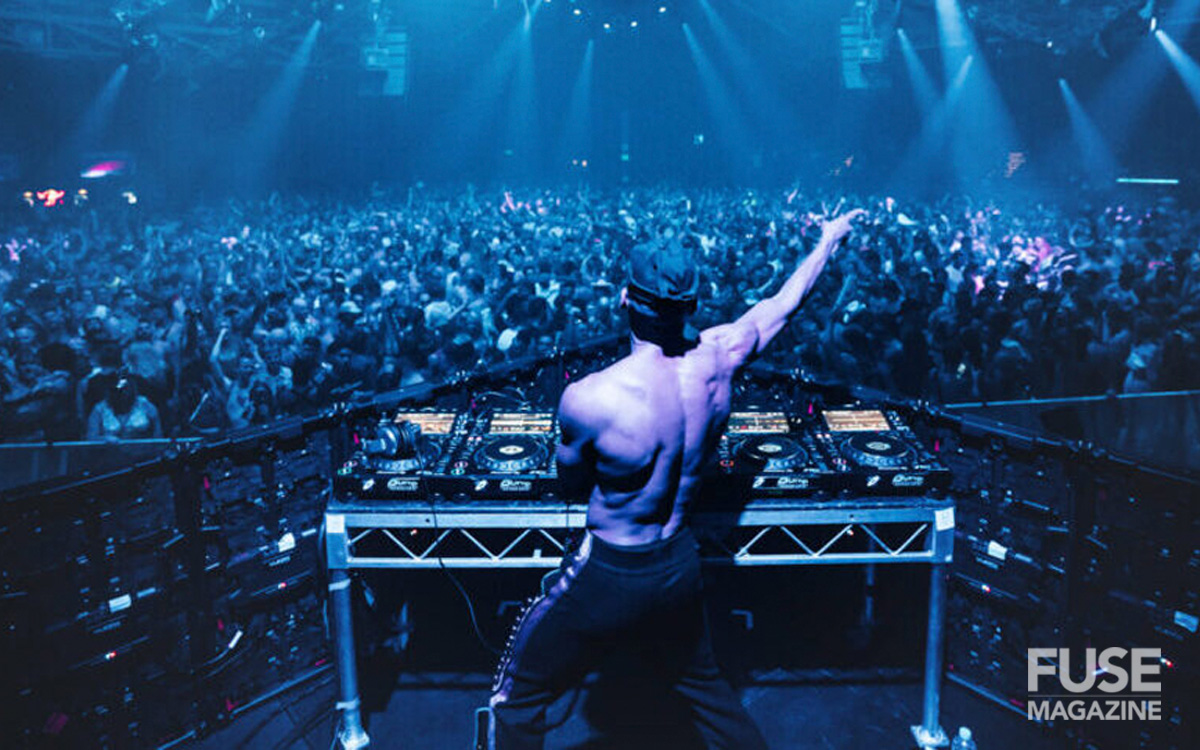
However, the plan hit repeated roadblocks. Over the Christmas break, Mardi Gras lost its headline artist, and efforts to secure a replacement fell through just before the recent long weekend. At the same time, production, infrastructure, staffing and compliance costs continued to rise, making it harder to deliver the kind of large‑scale, high‑quality experience the community expects.
Matheson said that, after reviewing the PARTY’s financial performance, capacity constraints following the RHI loss, community feedback and changing attendee demographics, it was clear the event in its traditional format was “no longer fit for purpose” or aligned with the organisation’s vision of a celebration for the entire LGBTIQA+ community. He added that he could not justify selling expensive tickets to a party he did not believe offered fair value, honoured its legacy, or safeguarded Mardi Gras’ financial future.
Faced with the choice of pushing ahead with a compromised event or pausing to reassess, Mardi Gras has chosen to pause the PARTY for 2026 and redirect its energy towards supporting community‑led events across the city on Parade night. The organisation is exploring whether a small‑scale celebration at the end of Parade is still feasible and expects to update the community shortly.
Despite the setback, Matheson said he is proud of the 2026 festival being delivered. Paradiso Pool Party, Ultra Violet and Laneway are already sold out, with Glitter Club, Kaftana and Laugh Out Proud close behind. Black Cherry continues to sell strongly, and tickets are on sale for Sissy Ball and the new First Nations Parade After Party, Blak Joy. A new Mardi Gras app has also launched, showcasing more than 120 events between 13 February and 1 March and promising new features to support safety and connection at major events.
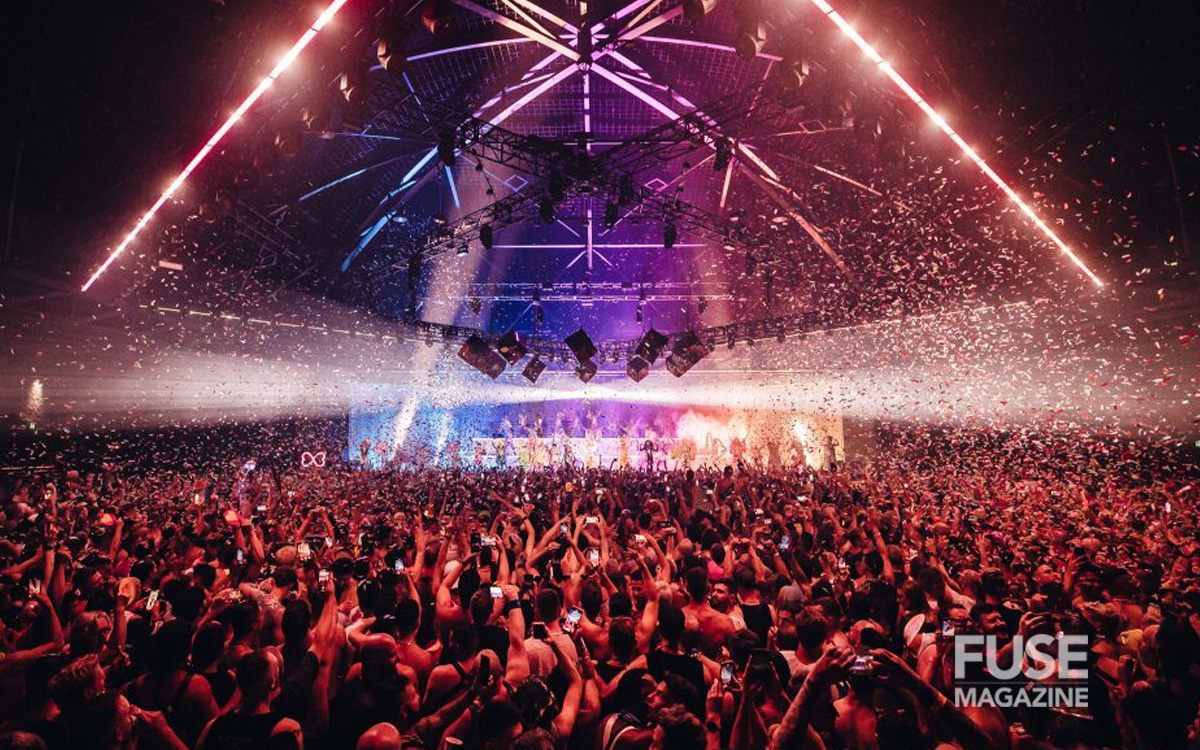
Matheson thanked the Mardi Gras staff, community producers GiRLTHING and Extra Dirty, Bizarro, Kicks, the Entertainment Quarter and government and corporate partners for their work in trying to bring the new PARTY vision to life. He emphasised that ticket prices have been lowered where possible in recognition of cost‑of‑living pressures, and that barriers have been removed for First Nations and trans and gender diverse producers to be part of the festival.
“Mardi Gras PARTY will return,” Matheson assured, while urging revellers to get behind the broad range of community‑run events lighting up Parade weekend and “show them some Mardi Gras love.”


